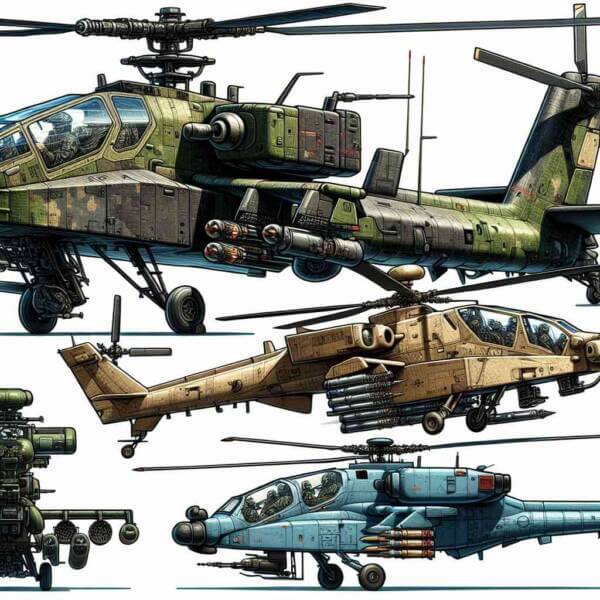
The use of aircraft in military operations offers superior capabilities.
Nations invest heavily in military aviation to maintain superiority.
The Evolution of Military Aviation
Military aviation started during the early 1900s, with aircraft initially used for observation.
Important events in the evolution of military aviation:
- The introduction of fighter planes and bombers
- World War II advancements
- The Cold War era
- Modern drone warfare
Each era brought new technologies that pushed the limits.
Different Roles of Military Planes
Understanding the types of military aircraft helps in appreciating the complexity of modern air forces.
Common categories of military aircraft are:
- Planes built for speed and agility
- Aircraft for long-range attacks
- Planes used to move troops and equipment
- Reconnaissance and surveillance drones
Each type plays a vital role in military operations, from supporting ground forces.
Why Control of the Skies Matters
Air superiority is essential for achieving military success.
Strategic advantages of air dominance:
- Providing close air support
- Disrupting enemy supply lines
- Early warning and real-time data
- Demonstrating power and deterrence
Nations with strong military aviation capabilities can shape outcomes.
Technological Innovations in Military Aviation
Constant research and development redefine capabilities for future warfare.
Recent innovations include:
- Low-visibility planes
- Hypersonic weapons
- Artificial intelligence-driven missions
- Directed energy weapons
These advancements expand mission possibilities for air forces worldwide.
Obstacles Facing the Industry
Despite technological superiority, military aviation faces numerous challenges.
Pressing issues in military aviation:
- Expensive research and operations
- Short life cycles for cutting-edge aircraft
- Protecting systems from hacking and sabotage
- New debates about AI in warfare
Addressing these challenges is crucial to staying ahead.
What Lies Ahead
The future of military aviation promises faster, smarter, and more autonomous systems.
Likely developments:
- Greater integration of artificial intelligence
- Military satellites and space-based weapons
- Eco-friendly military aircraft
- Enhanced multinational cooperation
The next era of military aviation will shape the future of global security.
Conclusion
Military aviation remains a powerful force in global defense.
As technology continues to evolve, visit this website the skies will remain a critical arena where military aviation protects nations.
The future of military aviation is full of potential — and it’s only just beginning.